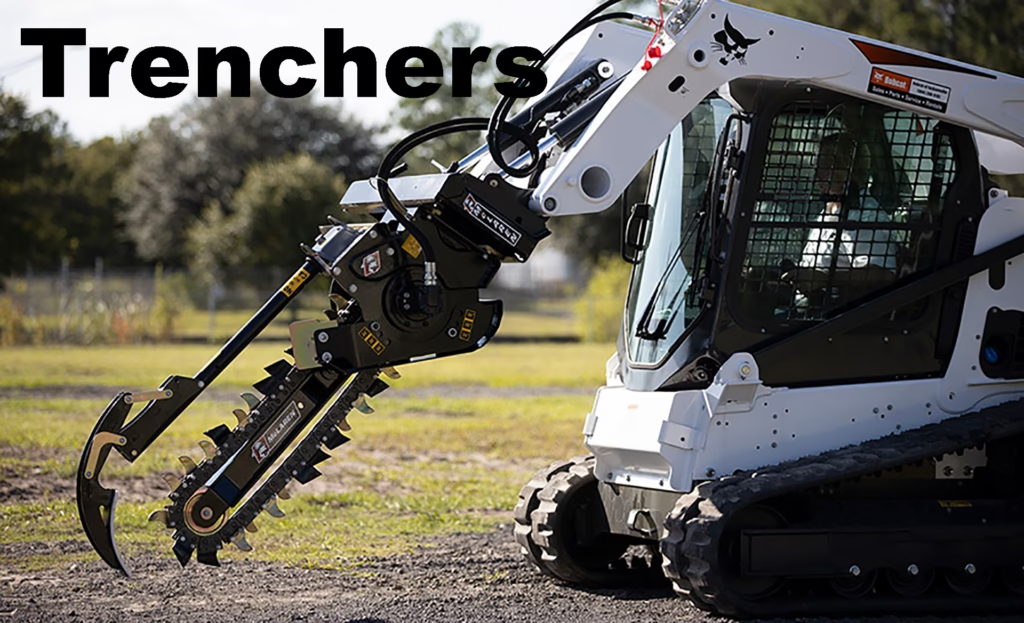
Trencher attachments for skid steers are hydraulic-powered implements designed to dig narrow, consistent trenches for a wide variety of applications such as utility lines, irrigation systems, drainage, and cable installation. These tools combine the maneuverability of a skid steer with trenching efficiency, offering a practical alternative to dedicated trenching machines.
2. Primary Applications
Electrical, gas, and fiber optic conduit installation
Irrigation and water line trenching
French drain and drainage system installation
Agricultural field irrigation layout
Roadside cable or pipe laying
3. Compatibility & Requirements
3.1 Mounting Interface
Mount Type
Compatibility
Universal Quick Attach Plate
Standard on all modern full-size skid steers
3.2 Hydraulic System Requirements
Specification
Typical Range
Hydraulic Flow Rate
13 – 40 GPM
Operating Pressure
2,500 – 4,000 PSI
Case Drain Requirement
May be required for high-torque units
Coupler Type
½” Flat Face Standard
For optimal performance, match trencher flow range to your skid steer’s auxiliary hydraulic specs.
4. Trencher Components
Component
Function
Trencher Boom
Houses and guides the chain assembly into the ground
Digging Chain
Equipped with cutting teeth to break and lift soil
Spoil Auger / Deflector
Moves displaced soil away from the trench path
Crumber Tool
Clears loose soil from trench bottom (optional)
Hydraulic Drive Motor
Powers the chain using skid steer hydraulics
Depth Control Skid
Controls consistent digging depth
5. Chain Styles & Applications
Chain Type
Application
Cup Tooth Chain
General use; soft to medium soils
Shark Tooth Chain
Heavy-duty carbide teeth for compacted soil or mixed ground
Combo Chain
Alternating cup and carbide teeth; best for varied soil
Rock/Frost Chain
Solid carbide tips; used for frozen or extremely hard soils
6. Typical Specifications
Specification
Typical Range
Trench Width
4″ – 12″
Trench Depth
24″ – 60″
Chain Speed
200 – 600 ft/min (dependent on flow)
Operating Weight
600 – 1,200 lbs
Boom Lengths Available
24″, 36″, 48″, and 60″+
7. Operational Guidelines
7.1 Pre-Use Setup
Attach trencher to skid steer quick plate
Connect hydraulic lines, ensuring correct GPM and coupler compatibility
Inspect chain tension, tooth condition, and clear the work path
Use Call Before You Dig services to mark underground utilities
7.2 Trenching Procedure
Set desired trench depth with skid height adjustment
Lower boom and engage hydraulics to power the chain
Reverse slowly to allow the chain to dig effectively
Use spoil auger to push soil away from trench path
Use crumber tool (if equipped) for clean trench bottom
Excessive speed or overloading may stall the chain or damage teeth.
8. Safety Practices
Wear eye, ear, and foot protection
Keep bystanders at least 15 feet away
Never reach into or service the chain while engaged
Shut off skid steer and relieve pressure before inspection or cleaning
Monitor slope—avoid trenching on grades over 10% without counterbalance
9. Maintenance Schedule
Task
Frequency
Inspect hydraulic lines & couplers
Daily
Check and adjust chain tension
Daily or every 4 hours
Inspect cutting teeth for wear
Every 8 hours
Grease pivot points and bearings
Every 10 hours
Clean auger and spoil deflectors
After each use
Replace damaged teeth or chain links
As needed
10. Selection Tips
Match boom length to required trench depth Use cup tooth chains for loamy soil, combo or rock chains for compact or rocky terrain Ensure your skid steer’s flow rate matches trencher requirements Choose units with adjustable skid shoes for easier depth control For longer runs, consider optional crumber tools and auger discharge



Excessive speed or overloading may stall the chain or damage teeth.
 Match boom length to required trench depth