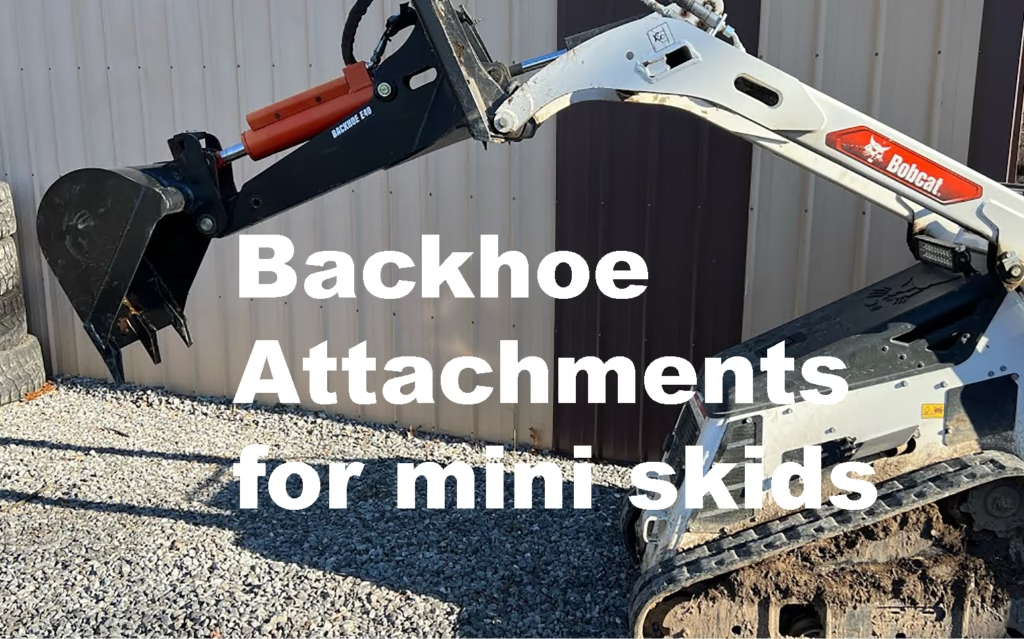
Backhoe attachments enable mini skid steer loaders to perform light-duty digging, trenching, and excavation tasks with precision. Designed for tight access areas, these compact backhoes replicate the digging capabilities of larger equipment while leveraging the maneuverability of a mini skid steer.
Fits Toro Dingo, Vermeer, Boxer, Ditch Witch, Ramrod, etc.
Bobcat MT Plate
Proprietary; check for model-specific versions or adapter plates
3.2 Hydraulic Requirements
Specification
Typical Range
Flow Rate
7 – 14 GPM
Operating Pressure
1,500 – 3,000 PSI
Coupler Type
⅜” or ½” Flat Face
Case Drain
Not typically required
Always verify your mini skid steer’s hydraulic capacity and mounting system compatibility.
4. Key Components
Component
Function
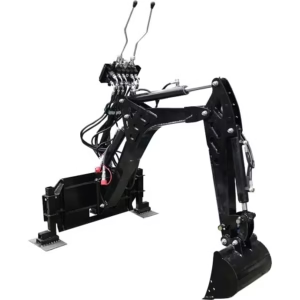
Main Boom Arm
Provides the reach and pivot point for digging
Dipper Stick (Dip Arm)
Connects the bucket to the boom and allows depth control
Bucket (Various Sizes)
Used for scooping and lifting dirt, rocks, or debris
Hydraulic Cylinders
Control the boom, dipper, and bucket articulation
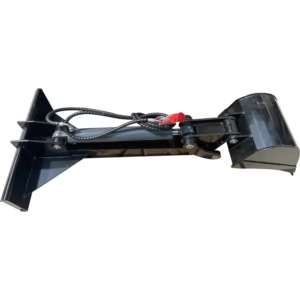
Mount Frame
Attaches the backhoe to the loader and provides support during digging
Stabilizers (Optional)
Adds balance during operation, usually found on larger mini backhoes
5. Bucket Options
Bucket Width
Use Case
8″–12″
Trenching for irrigation/electrical lines
16″–18″
Small excavation, stump removal
24″+
General-purpose digging
6. Operating Guidelines
6.1 Setup
Connect the backhoe attachment to the mini skid steer’s quick plate
Hook up hydraulic hoses—ensure correct direction and coupler size
Inspect all joints, pins, and cylinders for tightness and leaks
Choose the proper bucket for your job
6.2 Digging Technique
Lower the boom and dipper in sequence to engage the soil
Curl the bucket to scoop the material
Raise the boom to lift the load
Rotate the dipper outward and dump into a spoil pile or container
Repeat in stages for trenching or large dig sites
Avoid overstressing the attachment by keeping digging angles within recommended stroke ranges.
7. Safety Guidelines
Always wear PPE: gloves, eye and ear protection, steel-toe boots
Keep bystanders and coworkers clear of the swing area
Operate on level ground and avoid unstable or sloped surfaces
Never exceed rated lift or digging force
Shut off engine and relieve hydraulic pressure before inspection
8. Maintenance Schedule
Task
Frequency
Inspect pins, hoses, and cylinders
Daily
Lubricate all pivot points
Every 10 hours
Check hydraulic fittings and seals
Weekly
Clean debris from pivot joints
After each use
Replace worn bucket teeth or pins
As needed
9. Typical Specifications
Parameter
Value Range
Digging Depth
36″ – 60″
Bucket Width
8″ – 24″
Hydraulic Flow Required
7 – 14 GPM
Operating Pressure
1,500 – 3,000 PSI
Reach from Mount Point
50″ – 70″
Approximate Weight
250 – 500 lbs
10. Selection Tips
Match attachment size to your mini skid steer’s rated lift and hydraulic flow Choose narrower buckets for trenching and wider for general digging Opt for replaceable bucket teeth and greasable pivot points Consider quick-swap bucket couplers if using multiple bucket sizes Verify arm reach and depth are sufficient for your use case

Always verify your mini skid steer’s hydraulic capacity and mounting system compatibility.