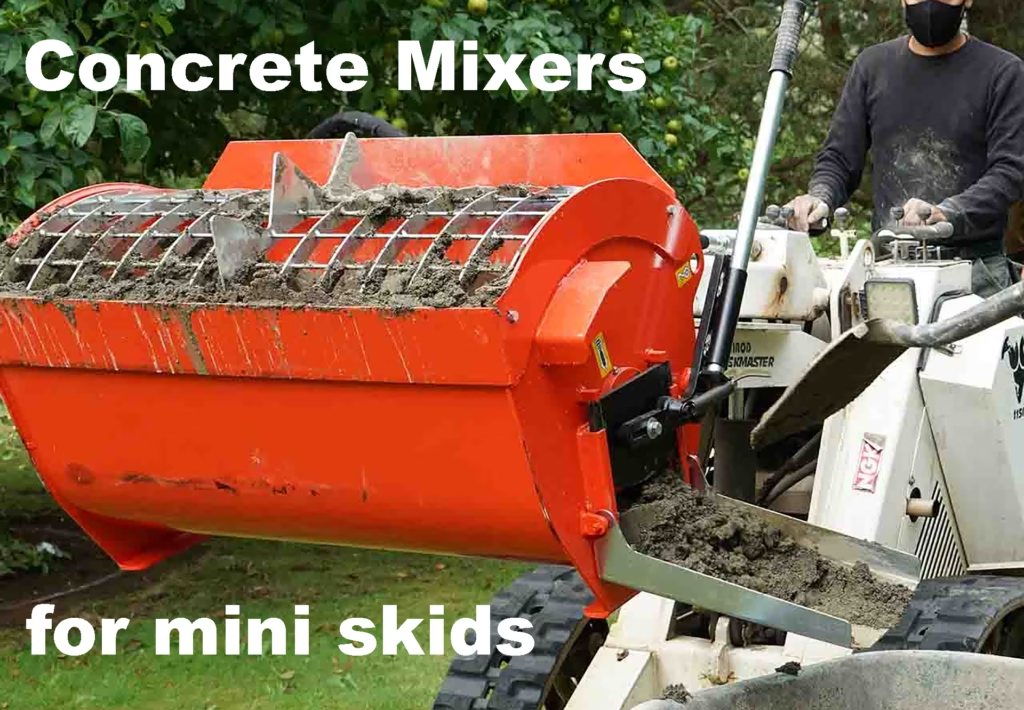
Concrete mixing attachments for mini skid steer loaders allow efficient small-batch concrete production on-site, especially in confined areas where traditional mixers or full-size equipment are impractical. These compact attachments are ideal for light construction, landscaping, fence installations, and remote utility work.
2. Applications
Fence post or mailbox footing installation
Sidewalk, slab, or patio pouring
Deck footing or sonotube filling
Remote repair work (farm, estate, trail)
Small batch delivery in hard-to-reach areas
3. Attachment Types
Type
Description
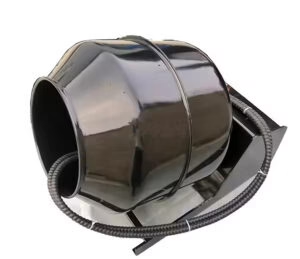
Mini Drum Mixer Bucket
Small rotating drum with built-in hydraulic motor for mixing and dumping
Mini Auger Mixer
Auger-based mixing attachment; may be mounted on an auger drive motor
Side Discharge Mixer
Mixer bucket with auger or gate system to discharge concrete sideways
4. Compatibility
4.1 Mounting Systems
Mount Plate
Compatible Brands
Mini Universal Plate
Toro Dingo, Vermeer, Boxer, Ditch Witch, Ramrod, Kanga, etc.
Bobcat MT Plate
Bobcat mini skid steers (MT52, MT85) – may require adapter
4.2 Hydraulic Requirements
Specification
Typical Range
Flow Rate
6 – 15 GPM
Operating Pressure
1,800 – 3,000 PSI
Coupler Type
⅜” or ½” Flat Face
Case Drain
Rarely required (check specs)
Always verify hydraulic specs for compatibility with your mini skid steer model.
5. Key Components
Component
Function
Mixing Drum / Auger
Blends cement, aggregate, and water into a uniform mix
Hydraulic Motor
Powers the rotation or auger using auxiliary hydraulic flow
Discharge Gate / Chute
Allows controlled pouring from front or side
Protective Grate
Prevents large debris from entering and damaging the mixer
Bucket Frame
Holds the concrete and supports mixing and dumping functions
6. Operation Guidelines
6.1 Pre-Operation Setup
Mount the attachment to the mini skid steer’s quick plate
Connect hydraulic lines (match direction and coupler size)
Load mix ingredients (aggregate, water, cement) into the drum or hopper
Engage hydraulics to start mixing
6.2 Pouring
Use tilt mechanism or discharge chute to pour into forms or holes
For auger units, run the auger while tilting to assist discharge
Rinse with water immediately after pouring to prevent curing inside drum
7. Safety Precautions
Wear PPE: gloves, eye/ear protection, boots
Never reach into mixer while in operation
Work on level, stable ground
Disengage hydraulics and depressurize system before maintenance
Clean immediately after use to avoid hard-set concrete damage
8. Maintenance Schedule
Task
Frequency
Inspect hoses, fittings, couplers
Daily
Clean drum, auger, and chute
After every use
Lubricate rotating parts
Every 8–10 hours
Check hydraulic motor function
Weekly
Inspect discharge components
Weekly
9. Typical Specifications
Parameter
Typical Range
Mixer Capacity
3 – 6 cu. ft. (85 – 170 liters)
Flow Requirement
6 – 15 GPM
Pressure Requirement
1,800 – 3,000 PSI
Unit Weight (empty)
250 – 500 lbs
Discharge Height
12″ – 20″ (depends on tilt)
Max Mix Output per Batch
1–2 wheelbarrow loads (approximate)
10. Selection Tips
Match the GPM and PSI of the attachment to your mini skid steer’s auxiliary hydraulics Choose side-discharge if pouring into narrow trenches or formwork Ensure steel drum or auger durability to withstand concrete wear Look for removable blades or paddles for easier maintenance Opt for grated lid to prevent foreign material contamination


 Always verify hydraulic specs for compatibility with your mini skid steer model.