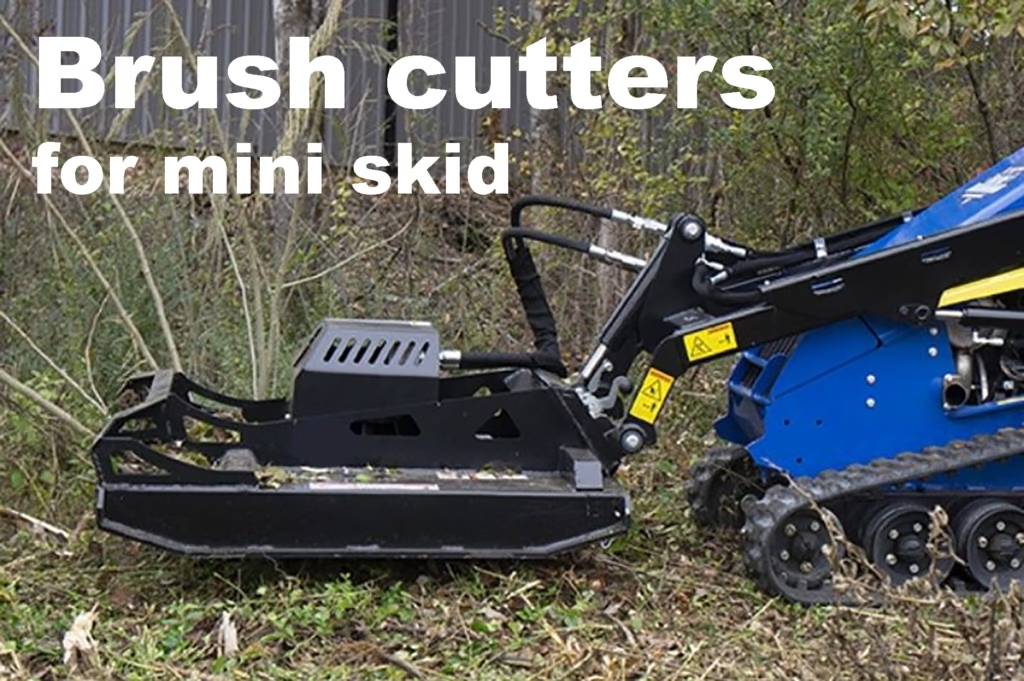
Brush cutter attachments, also known as rotary mowers or brush hogs, convert mini skid steers into compact vegetation management tools. They are used to clear grass, weeds, light brush, and saplings in areas with restricted access, such as residential lots, trails, or fencing perimeters.
2. Applications
Clearing overgrown lots
Fence line and trail maintenance
Light land clearing
Utility right-of-way upkeep
Cutting tall grass and weeds in confined spaces
3. Compatibility
3.1 Mounting Interface
Mount Type
Compatible Machine Brands
Mini Universal Plate
Ditch Witch, Toro Dingo, Vermeer, Boxer, Kanga, Ramrod, etc.
Bobcat MT Interface
Proprietary mount (may require Bobcat-specific attachments)
Always verify the plate size and locking type before purchasing.
3.2 Hydraulic Requirements
Parameter
Typical Range
Flow Rate
8 – 15 GPM
Operating Pressure
2,000 – 3,000 PSI
Coupler Size/Type
⅜” or ½” Flat Face ISO
Case Drain
Rarely required for mini skid models
4. Types of Brush Cutters
Type
Description
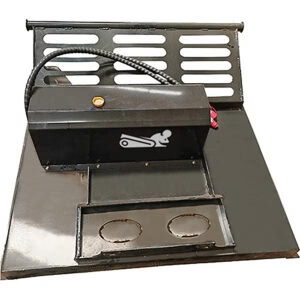
Open-Front Rotary
Exposed blade area for cutting brush and saplings
Closed-Deck Rotary
Full deck enclosure for mowing grass with better debris control
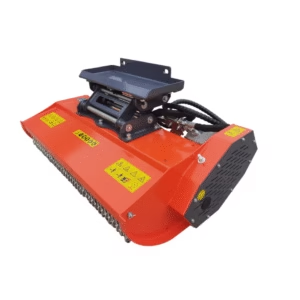
Mini Flail Mower
Uses rotating drum with flails—lower debris throw, good for trimming near buildings or fences
5. Key Components
Component
Function
Blade Carrier
Central disc that spins the cutting blades
Cutting Blades
Swinging or fixed steel blades that cut vegetation
Hydraulic Motor
Converts hydraulic flow into rotary motion
Deck/Frame
Protects operator and guides debris away from loader
Skid Shoes
Maintain ground clearance and reduce deck wear
Push Bar (optional)
Deflects small saplings into blade path on open-front models
6. Technical Specifications (Typical Range)
Attribute
Typical Range
Cut Width
36″ – 48″
Max Brush Diameter
Up to 2″ (light saplings)
Flow Requirements
8 – 15 GPM
Operating Pressure
2,000 – 3,000 PSI
Blade Type
Swinging (most common)
Weight
300 – 500 lbs
7. Operation Guidelines
7.1 Setup
Mount securely to mini skid steer’s quick attach plate
Connect hydraulic hoses, matching coupler types
Engage hydraulics briefly to check motor direction and purge air
Ensure deck is level and blade path is clear before activation
7.2 Usage
Operate at full RPM before engaging vegetation
Move slowly forward to maintain blade speed
Avoid operating over large rocks or solid obstacles
For saplings, allow blades to spool up before contact
Use reverse motion to clear tough patches when needed
Shut off hydraulics and relieve pressure before inspection
Use deflectors or debris guards in populated areas
9. Maintenance Schedule
Task
Frequency
Inspect blades for damage
Daily
Check hydraulic hoses and fittings
Daily
Clean deck and motor area
After each use
Grease spindle and pivot points
Every 10 hours
Inspect mounting hardware
Weekly
Replace worn blades
As needed
10. Selection Tips
Choose width based on jobsite and machine capacity (36″–48″) Match hydraulic flow/pressure to your mini skid steer’s specs Select open-front design for saplings; closed-deck for mowing Consider flail cutter for urban use due to lower debris throw Look for heavy-duty blade carriers and replaceable skids


Always verify the plate size and locking type before purchasing.