define('WP_TOOLKIT_API_TOKEN', 'eyJ0eXAiOiJKV1QiLCJhbGciOiJSUzUxMiJ9.eyJpc3MiOiJkYWM5NDVkOC03NjBmLTQ3YzItOTk3ZC0wNGE1YWQ0ZGJjOGEiLCJuYmYiOjE3Nzk4MTUxMzMuOTA0MjYxLCJleHAiOjE3Nzk5MDE1MzMuOTA0MjYxLCJqdGkiOiI5ZmY3MDgxYy04N2ZjLTRiOTYtOGRkMS02OTBkMTIzNjNlNjkiLCJpbnN0YWxsYXRpb25JZCI6MzQyMSwiYXBpVXJsIjoiaHR0cHM6Ly9sb2NhbGhvc3Q6MjA4My9hcGkvd3B0ay93cHQvaW5kZXgucGhwIiwidXNlckd1aWQiOiJjODQzNzFmOS00NjNhLTQ2MzctOGI4Yy05YzNiYThmNDg3NjUifQ.B_F3Dn6R_Lbxkkwoo3Fm5ojMupzv5HRBWqE_RbsIjgPqPInWvtG491LElRB_YGogWesceXwgt3YvyNzuYq9cYXTVrNFCV_0Rfi1dHuMntgACZJPdqX_BBVYWxyDR-cdrs0miqSBHqiMbpYBwuL8jQlhhshyLoVEqdSoyIJQII6Pr0VUizMDeSl8bG913zKyiklORagh_5OdpT8FjBZw0IgHchx1XXsZMY1_JnHuWF9SepMun3iyMrXy3FqfNcyR-8If-ExaBIkmSAagJENcf-3ethJRoqroPeoxYYM4i4qSTszem7fJGlMLZMYZ0YvwX_gvrg0A3y03m5ISKCn3SFQq4ccG7iTvow4YClsIIvJlPdvKA4z8rin7eF-EGkE9aV54nb7hJVtuJ5xD8hiqCqvovp0MqCRErdOgOf8e7wGuUoVP3_asrE_DBUDXKa03bwovKZiJ4QE6d2fMH2m1rpkfWcqn5scGObpFwld7vSPnnVIab_tIRD66R0ISW7xQIEVW6Rab-4wej0PdGiMnPcWGE4sr3sZJNFDHch1w7hxCKX1k3D_5lqYlY6b6vMat2JAGRHrthVwHCEWqrqTXJoR9xlBkoevQWT7kKBZDelYXvwMYcDOvYCc0dpALTAr7H_hPFPMjVb_3cJbvZXJFjvYIydTjPu5202O9DQ3l1qMc'); power rakes – skidsteer.uk

skidsteer.uk

1. Overview

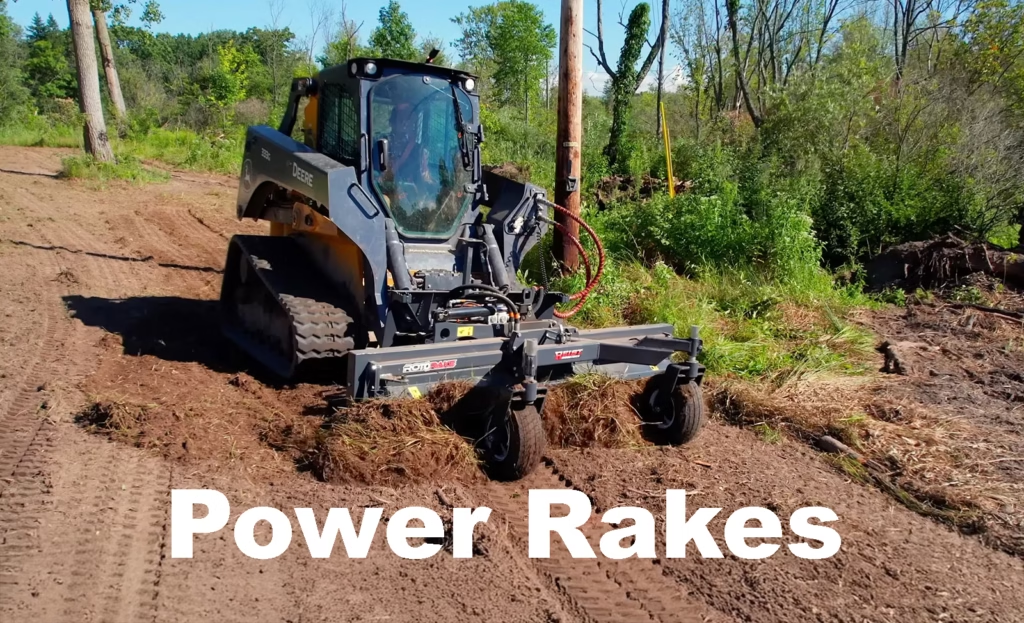
Power rake attachments, also called harley rakes or landscape rakes, are rotating drum-style tools used to grade, level, pulverize soil, remove debris, and prepare seedbeds. Powered by the skid steer’s auxiliary hydraulics, power rakes help save time in landscape, turf, and construction preparation by combining multiple surface-conditioning functions into one pass.


2. Primary Applications

  • Seedbed and turf prep
  • Removing rocks, roots, debris
  • Grading and leveling soil or gravel
  • Repairing rutted or compacted ground
  • Light trench backfilling and blending materials

3. Attachment Types

TypeFeatures
Fixed Power RakeStandard drum with fixed side plates; ideal for general soil prep
Angle Power RakeHydraulic or manual angling for windrowing debris to one side
Dual-End Hydraulic RakeHydraulic end plates allow bidirectional operation and quick debris clearing
Mini RakeScaled-down for mini skid steers (not covered in this guide)

4. Compatibility

4.1 Mounting Plate

  • Universal Quick Attach Plate (standard full-size skid steers)

4.2 Hydraulic Requirements

FeatureTypical Range
Flow Rate13 – 25 GPM
System Pressure2,800 – 3,500 PSI
Couplers½” flat-face standard

 Case drain may be required on some high-flow rakes — always check manufacturer specs.


5. Key Components

ComponentFunction
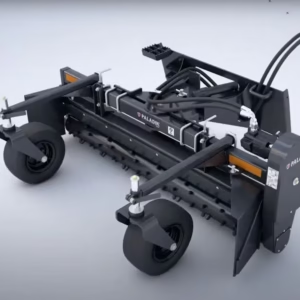
Rake DrumRotating drum with carbide teeth or hardened bars to pulverize and level
Side Plates / End BootsContain soil and debris during operation; may be removable or hydraulic
Hydraulic MotorPowers the drum from the skid steer’s auxiliary circuit
Angle Cylinder (optional)Angles the drum left/right to windrow debris
Mount FrameHeavy-duty chassis connects the attachment to skid steer
Gauge WheelsAdjustable wheels to control rake depth and floating

6. Operating Guidelines

6.1 Initial Setup

  1. Attach rake via quick plate and connect hydraulic lines.
  2. Check for proper direction of drum rotation (forward throws debris forward).
  3. Adjust gauge wheels and end plates to desired depth and material control.
  4. Test hydraulic angle (if equipped) before engaging soil.

6.2 Technique

  • Use low travel speeds (~1–3 MPH) for optimal pulverizing and debris separation.
  • For debris windrowing, angle the rake 15–30° and make overlapping passes.
  • Use float mode when leveling to follow ground contours.
  • Backdrag with the drum lifted to smooth and finish surfaces.
  • Clear collected debris using reverse drum rotation or by raising end boots (if hydraulic).

7. Safety Procedures

  • Always wear PPE: boots, gloves, eye & hearing protection.
  • Keep bystanders at a safe distance—rotating drums may throw small debris.
  • Never reach under attachment while engine is running or pressure is active.
  • Disconnect hydraulics before performing maintenance or clearing jams.
  • Use slow, controlled movements around slopes or uneven terrain.

8. Maintenance Schedule

TaskFrequency
Inspect drum teeth or barsDaily
Check hydraulic fittings & hosesDaily
Clean debris from frame & guardsAfter each use
Grease all pivots and bearingsEvery 10 hours
Inspect gauge wheels & axle pinsWeekly
Tighten bolts and check motor mountsWeekly

Replace drum teeth or bars as needed for efficient operation.


9. Technical Specifications (Typical)

FeatureStandard Range
Rake Width60″ – 84″
Drum Diameter8″ – 10″
Flow Requirements13 – 25 GPM
Weight800 – 1,200 lbs
Working Depth0″ – 4″ adjustable
Angle Range (if hydraulic)Up to 30° left/right

10. Selection Considerations

✅ Choose a fixed rake for basic turf prep and driveway repair
✅ Select an angle rake to windrow material and reduce manual cleanup
✅ Look for carbide drum teeth for aggressive soil conditioning
✅ Ensure your skid steer’s hydraulic output matches the rake requirements
✅ For maximum efficiency, select a model with hydraulic end boots and drum angle