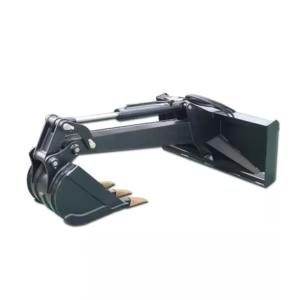
Backhoe attachments transform skid steer loaders into powerful digging machines capable of performing a wide variety of light to medium-duty excavation tasks. Designed for precise trenching and digging operations, they replicate the motion of a traditional backhoe with the convenience of a compact skid steer platform.
2. Common Applications
Utility trenching (gas, water, cable)
Excavation for footings and foundations
Landscaping and tree planting
Irrigation and drainage installation
Light demolition and debris removal
Agricultural or municipal maintenance work
3. Compatibility
3.1 Mounting System
Mount Type
Compatibility
Universal Quick Attach
Standard on all full-size skid steer loaders
3-Point Adaptors (optional)
Used with specialty conversion frames
3.2 Hydraulic Requirements
Specification
Typical Range
Flow Rate
10 – 25 GPM
Operating Pressure
2,000 – 3,500 PSI
Coupler Type
½″ Flat Face (ISO 16028)
Case Drain
Not typically required
Confirm your skid steer’s auxiliary hydraulic flow matches the attachment’s requirements.
4. Key Components
Component
Function
Boom Arm
Provides vertical lift and digging depth
Dipper Stick (Dip Arm)
Controls horizontal reach and movement of bucket
Bucket (Various sizes)
Scoops and moves soil, gravel, debris, etc.
Hydraulic Cylinders
Provide movement for boom, dipper, and bucket
Mount Frame / Subframe
Connects attachment to the skid steer’s mounting plate
Stabilizer Legs (optional)
Provide support and reduce machine movement during digging
5. Bucket Options
Bucket Size
Application
9″ – 12″
Narrow trenching (irrigation, utility lines)
16″ – 18″
Versatile general digging
24″ – 36″+
Heavy excavation and wide trenching
Grading / Tilt Buckets
Slope shaping, finishing work
Buckets often feature replaceable teeth for durability and efficiency.
6. Operation Guidelines
6.1 Setup
Attach the backhoe securely to the skid steer’s quick attach plate.
Connect hydraulic hoses—ensure correct flow direction and compatibility.
Verify bucket and pin connections are tight and in good condition.
Test hydraulic functions before engaging in work.
6.2 Digging Technique
Lower the boom and engage the bucket into the soil.
Use dipper stick to draw the bucket back through the material.
Curl the bucket to scoop, then lift using the boom.
Dump material to the side or into a container, repeat as needed.
Use stabilizers or skid steer weight for better balance when digging.
7. Safety Protocols
Wear PPE: hard hat, gloves, safety glasses, and steel-toe boots
Keep bystanders and crew members clear of the digging area
Operate only on level ground or use stabilizers if available
Never exceed load limits of the backhoe or the skid steer
Always disengage hydraulics and relieve pressure before maintenance
8. Maintenance Checklist
Task
Frequency
Inspect hydraulic lines & fittings
Daily
Check and tighten all pivot pins
Daily
Lubricate boom and dipper pivots
Every 8–10 hours
Clean dirt/debris from joints
After each use
Inspect bucket teeth and replace as needed
Weekly
Regular maintenance ensures smooth operation and extends the life of your attachment.
9. Technical Specifications (Typical Range)
Specification
Typical Value
Digging Depth
6 – 10 feet (72–120 inches)
Bucket Widths Available
9″ – 36″+
Operating Weight (Attachment)
600 – 1,200 lbs
Hydraulic Flow Required
10 – 25 GPM
Max Operating Pressure
3,500 PSI
Horizontal Reach
7 – 11 feet
Swing Angle (if equipped)
Up to 180°
10. Selection Tips
Match digging depth and reach to your job site requirements Verify hydraulic compatibility with your skid steer Choose buckets with replaceable wear components Consider models with 180° swing for tight areas Ensure frame supports and cylinders are heavy-duty for repetitive use


Confirm your skid steer’s auxiliary hydraulic flow matches the attachment’s requirements.