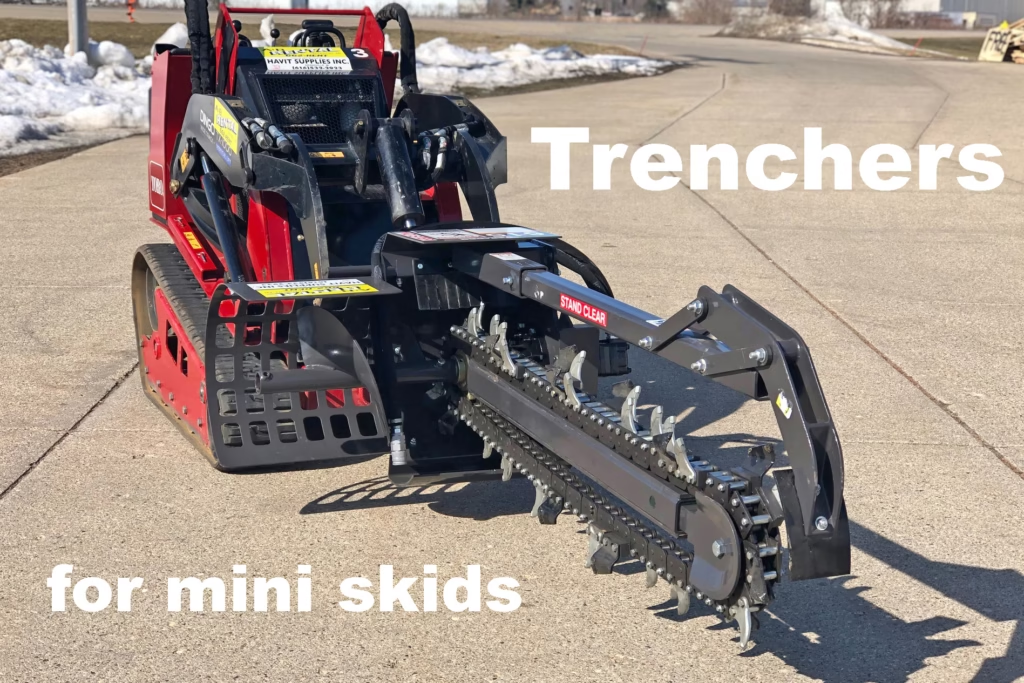
Trencher attachments for mini skid steers are compact hydraulic tools designed to dig narrow trenches for utilities, irrigation, drainage, and landscaping tasks. These attachments combine portability with power, allowing operators to work efficiently in confined or sensitive areas where larger equipment is impractical.
2. Primary Applications
Irrigation line installation
Utility conduit trenching
Landscape lighting cable runs
Drain tile and water diversion
Low-voltage wiring and fiber optics
3. Compatibility with Mini Skid Steers
3.1 Mounting Interface
Mount Type
Compatible Brands
Mini Universal Plate
Common on Toro Dingo, Ditch Witch, Vermeer, Boxer, Kanga, Ramrod, etc.
Bobcat MT Plate
Bobcat MT-series (may need adapter for Mini Universal attachments)
Always verify your machine’s plate type before purchase.
3.2 Hydraulic System Requirements
Parameter
Typical Range
Flow Rate (GPM)
7 – 15 GPM
Pressure (PSI)
2,000 – 3,000 PSI
Case Drain
Rarely required
Coupler Type
½” or ⅜” Flat Face Quick Connect
4. Key Components
Component
Function
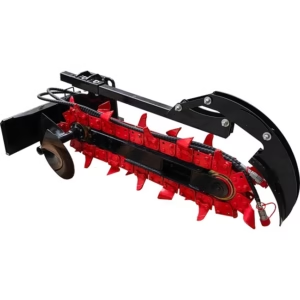
Boom Assembly
Houses and supports the chain during operation
Digging Chain
Equipped with teeth or cups to break and lift soil
Spoil Auger (optional)
Moves trench spoil to one side for cleanup
Hydraulic Motor
Drives the chain using power from the mini skid steer’s auxiliary circuit
Depth Skid / Gauge
Allows consistent trench depth control
Crumber Tool (optional)
Scrapes loose soil from bottom of trench for a clean finish
5. Chain Styles
Chain Type
Description & Application
Cup Tooth Chain
General purpose for soft-to-medium soil
Rock/Frost Chain
Tungsten-carbide teeth for hard, rocky, or frozen ground
Combo Chain
Alternating cup and carbide teeth for mixed conditions
6. Common Trenching Specs
Specification
Typical Range
Trench Width
4″ – 8″
Trench Depth
24″ – 48″ (depending on boom length)
Attachment Weight
200 – 400 lbs
Chain Speed
200 – 600 ft/min (varies by model and flow)
Cutting Chain Width
Typically 4″, 6″, or 8″
7. Operating Instructions
7.1 Pre-Operation Checklist
Check hydraulic fluid levels and couplers
Inspect chain tension and tooth condition
Confirm trenching path is free of underground utilities (Call Before You Dig)
Set depth gauge or boom to desired trench depth
7.2 Trenching Procedure
Lower boom to starting depth
Engage hydraulic flow to start chain movement
Drive mini skid steer in reverse, allowing chain to dig forward
Use consistent, moderate ground speed (too fast can stall the chain)
Periodically check trench depth and spoil distribution
Tip: Use the spoil auger and crumber tool to keep the trench clear for conduit or pipe laying.
8. Safety Guidelines
Always wear eye protection, gloves, and steel-toe boots
Keep bystanders and pets at least 10 feet away during operation
Never service chain while hydraulics are pressurized
Avoid working on steep grades or loose terrain
Disengage hydraulic flow before making any adjustments or inspections
9. Maintenance Schedule
Task
Frequency
Inspect chain and teeth
Daily
Check hydraulic fittings
Daily
Tighten chain tension (if needed)
Every 10–15 hours
Grease pivot points and bearings
Every 10 hours
Clean out spoil and debris
After each use
Inspect boom welds and mounts
Weekly
Replace worn teeth or damaged chain links immediately to prevent motor stress and uneven trenching.
10. Selection Tips
Match boom length to your average trench depth needs Choose cup tooth chains for general use, carbide for rocky/hard soil Verify your mini skid steer provides sufficient GPM & PSI Look for adjustable depth settings for consistent trench lines Consider optional crumber tool or spoil auger for clean trenches

Always verify your machine’s plate type before purchase.