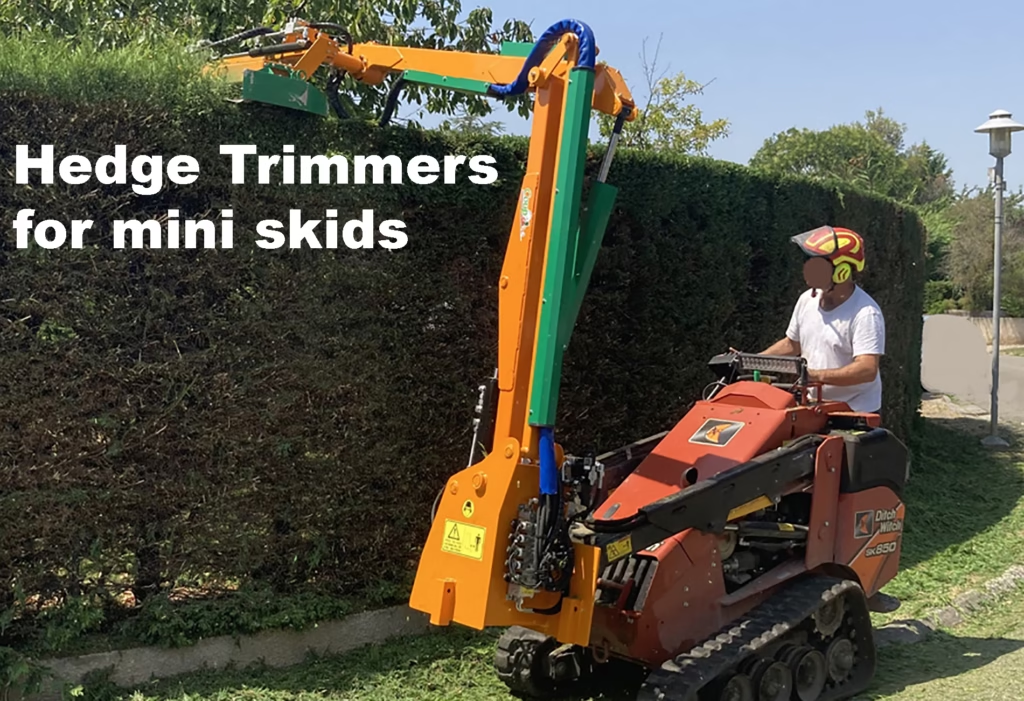
Hedge trimmer attachments transform mini skid steer loaders into efficient, mechanized trimming units. These attachments allow for the precision cutting of hedges, shrubs, small branches, and vertical vegetation with minimal physical effort. Designed for use in landscaping, property maintenance, agriculture, and roadside vegetation management, they offer improved reach and speed over handheld tools.
2. Common Applications
Trimming tall or long hedgerows
Shaping decorative or privacy shrubs
Clearing fence lines and ditches
Cutting back roadside brush or undergrowth
Maintaining orchard rows and vineyard foliage
3. Compatibility
3.1 Mounting Interface
Mount Type
Compatible Brands
Mini Universal Plate
Common for Toro Dingo, Ditch Witch, Boxer, Vermeer, Kanga, etc.
Bobcat MT Plate
Proprietary — may require specific trimmer version or adapter plate
3.2 Hydraulic Requirements
Specification
Typical Range
Flow Rate
6 – 13 GPM
Operating Pressure
1,500 – 2,800 PSI
Coupler Type
⅜″ or ½″ Flat Face
Case Drain
Rarely required for these tools
Always match the attachment’s rated flow with your loader’s auxiliary output.
4. Key Components
Component
Function
Cutting Bar / Blade
Dual-action reciprocating blades or rotating disk segments for clean cuts
Hydraulic Motor
Powers the blade or bar through hydraulic flow
Blade Guard / Housing
Protects operator and machine from debris and blade contact
Angle Adjustment Linkage
Allows vertical or horizontal trimming (manual or hydraulic tilt)
Mount Frame / Arm
Connects trimmer to mini skid plate and supports blade movement
5. Blade Types & Sizes
Blade Type
Best Use Case
Dual-Reciprocating Bar
Clean, fast cuts on dense hedges and bushes
Circular Saw Blades
Heavier trimming, thick branches, light brush
Blade Length
Typical Use
36″–48″
Precision trimming
60″–84″+
Long hedge runs, commercial work
6. Operation Guidelines
6.1 Setup
Secure the attachment to the mini skid steer’s mounting plate
Connect hydraulic hoses; ensure correct flow direction and coupler type
Inspect blades, housing, and fasteners before powering up
Adjust trimming angle if tilt feature is present (manual or hydraulic)
6.2 Usage Tips
Move the machine slowly and evenly along the hedge or fence line
Let the blades do the cutting—avoid forcing or overloading
Keep consistent spacing from the hedge for uniform results
Use vertical position for side trimming, horizontal for tops
Pause frequently to check blade sharpness and debris buildup
7. Safety Protocols
Wear PPE: gloves, eye/ear protection, helmet, and boots
Keep bystanders at least 15 feet away
Never reach near the cutting head while connected to hydraulics
Only operate on firm, stable terrain
Disconnect and relieve hydraulic pressure before maintenance
8. Maintenance Schedule
Task
Frequency
Inspect cutting blades
Before each use
Grease pivot or tilt points
Every 10 hours
Check hydraulic fittings
Daily
Clean debris from blade housing
After each use
Sharpen or replace blades
As needed
Dull blades reduce efficiency and increase strain on the motor.
9. Typical Specifications
Parameter
Typical Range
Blade Length
36″ – 84″+
Flow Rate Requirement
6 – 13 GPM
Operating Pressure
1,500 – 2,800 PSI
Weight (attachment only)
150 – 300 lbs
Cut Capacity (branch size)
Up to 1.5″ (bar), 2–3″ (circular)
10. Selection Tips
Match hydraulic specs with your mini loader’s output Use shorter bars for detail work; longer for efficiency Choose adjustable angle heads for versatility in tight spaces Consider models with replaceable blades and easy tilt control Prioritize dual-blade action for clean, vibration-free cuts

 Always match the attachment’s rated flow with your loader’s auxiliary output.
Dull blades reduce efficiency and increase strain on the motor.