Select options
This product has multiple variants. The options may be chosen on the product page
1. Overview
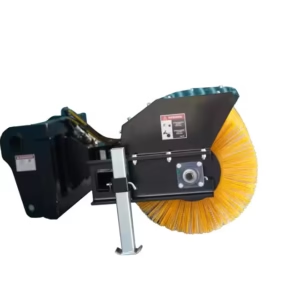
A broom attachment transforms a skid steer loader into a powerful surface-cleaning machine. These attachments are used for sweeping debris, dirt, light snow, leaves, gravel, and jobsite waste. Common applications include road maintenance, construction site cleanup, landscaping, snow removal, and municipal services.
2. Broom Attachment Types
Type
Description
Angle Broom
Hydraulically or manually angles left/right to push debris to one side while sweeping forward. Best for roadways, parking lots, and long flat surfaces.
Pick-Up Broom
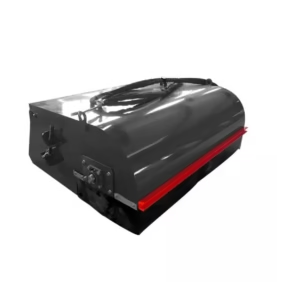
Collects debris into an onboard hopper for disposal. Ideal for enclosed spaces or where containment is required (e.g., warehouses, sidewalks, tight construction sites).
Push Broom (No Drive)
Non-hydraulic broom that simply pushes debris. No moving parts—ideal for simple, low-maintenance sweeping.
Water Kit Add-on
Optional system to reduce airborne dust by spraying water in front of the broom.
3. Key Components
Component
Function
Brush/Core
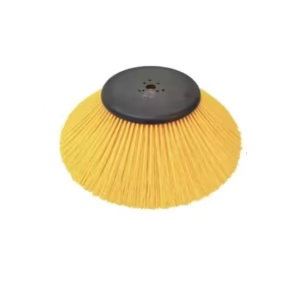
Rotating or static bristle cylinder for sweeping debris. Available in poly, steel, or combo bristle types.
Motor Assembly
Hydraulic drive motor (for powered brooms) that spins the brush.
Mounting Plate
Universal skid steer quick-attach plate for secure connection.
Hopper (Pick-Up)
Debris collection bin on pick-up brooms.
Caster Wheels
Maintain sweeping height and reduce bristle wear.
Dust Control Kit
Optional water tank and sprayers for dust suppression.
Note: Verify fitment for mini skid steers or unique coupler setups.
4.2 Hydraulic Specifications (for powered models)
Parameter
Typical Range
Flow Rate (GPM)
10–25 GPM
Operating Pressure
2,000–3,000 PSI
Case Drain
Not typically required
Always verify that your skid steer’s auxiliary hydraulic specs fall within the broom’s requirements.
5. Bristle Options
Bristle Type
Material
Best For
Polypropylene (Poly)
Synthetic
Light sweeping, dust, snow
Wire
Steel
Tough debris, road milling residue, gravel
Combo
Poly + Wire
Mixed-use environments
6. Size & Width Guide
Skid Steer Size
Recommended Broom Width
Small (35–50 HP)
60″
Medium (50–75 HP)
72″
Large (75+ HP / High Flow)
84″+
7. Operating Guidelines
7.1 Setup
Connect the hydraulic lines (angle brooms and pick-up brooms only).
Ensure broom is properly locked into the quick-attach coupler.
Set broom angle (manually or hydraulically if equipped).
Lower the broom to a slight float position for optimal ground contact.
7.2 Sweeping Technique
Operate at low speed (3–5 MPH) for best results.
Adjust downforce to avoid bristle overload or premature wear.
For pick-up brooms, stop regularly to empty the hopper.
Avoid long-term sweeping on sharp or highly abrasive surfaces.
8. Maintenance Schedule
Task
Frequency
Inspect hydraulic hoses
Daily
Check brush wear
Daily
Clean debris from housing
Daily
Lubricate pivot/angle points
Weekly
Replace worn bristles
As needed
Empty and clean hopper
After use (Pick-Up)
9. Safety Considerations
Wear PPE: eye protection, gloves, and high-visibility gear.
Ensure bystanders are clear of operating area.
Avoid contact with flammable debris or materials.
Shut down engine and relieve hydraulic pressure before maintenance.
Do not operate without full visibility of the work area.
10. Common Applications
Construction Sites: Cleanup of dust, rocks, and debris
Municipal Work: Roadside sweeping, snow and leaf removal
Agricultural: Cleaning feedlots, barns, and livestock areas
Landscaping: Surface preparation and debris clearing
11. Purchasing Considerations
Choose broom width based on skid steer size and target area
Confirm hydraulic flow compatibility for powered models
Select proper bristle type for your work environment
Consider a water kit for dust-sensitive locations
Verify quick attach compatibility for your skid steer
12. Summary
Skid steer broom attachments are essential tools for efficient surface cleaning across a range of environments. By selecting the right broom type, size, bristle material, and maintaining it properly, operators can maximize productivity, extend tool life, and ensure a clean, safe work area.


Always verify that your skid steer’s auxiliary hydraulic specs fall within the broom’s requirements.